The Real Secret to Progress

Andrew Franz • March 1, 2026

 Training & Consistency 


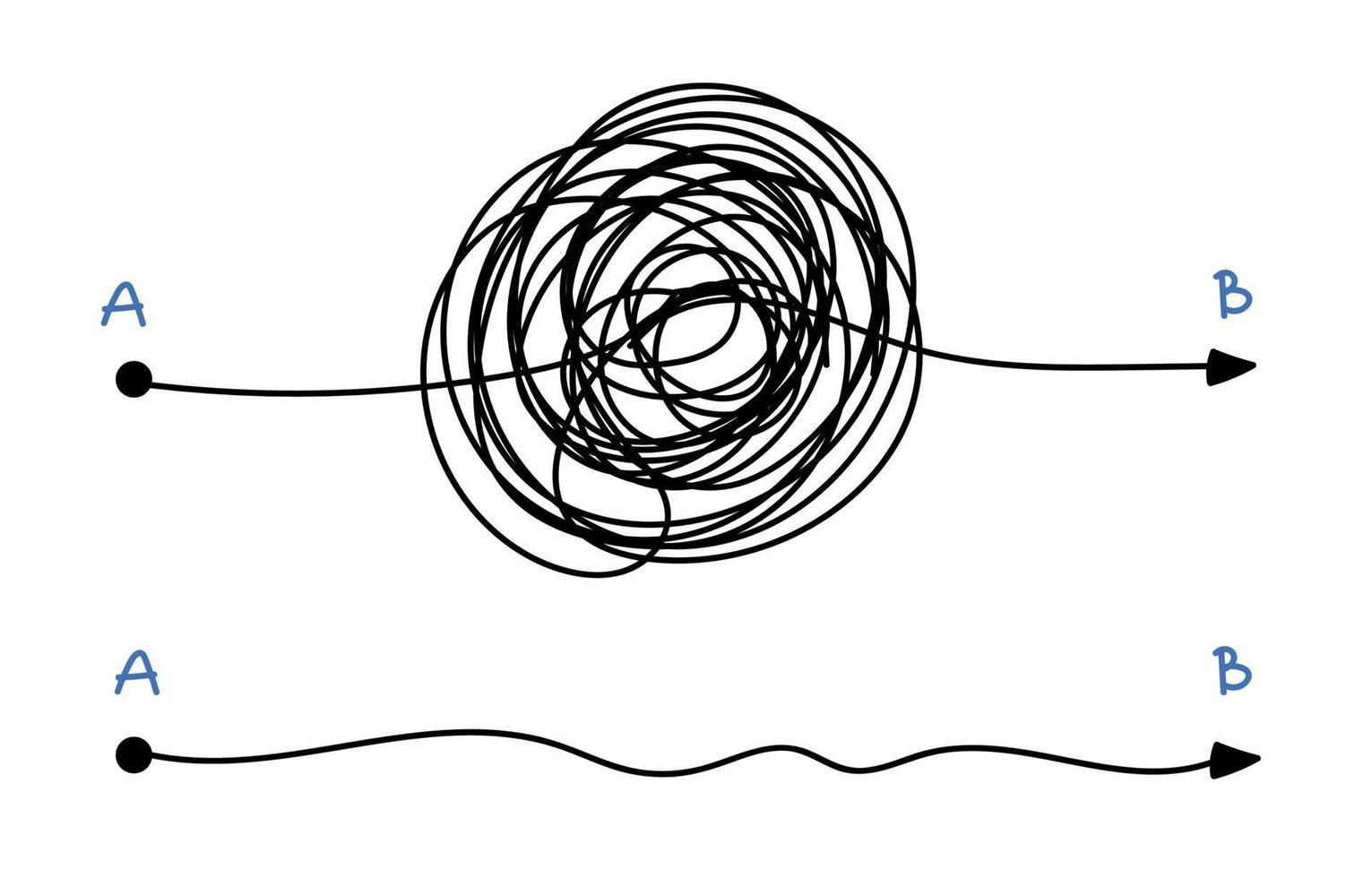
If there is one thing that separates people who see real, lasting results from those who stay stuck, it is not talent, motivation, or even the “perfect” program. It is consistency. Across the best coaching philosophies in the CrossFit space, the message is simple: show up, do the work, and do it over time. That is where real progress lives.


One of the biggest mistakes people make is chasing intensity over consistency. They go all in for a week or two, push hard, feel great, and then life gets busy or motivation fades. Before long, they are back at square one. Coaches like Ben Bergeron have long emphasized that the goal is not to win a single workout, but to win over years of training. That means showing up when you feel great, when you feel average, and especially when you do not feel like it. It is not about crushing every workout. It is about stacking days.


The athletes who make the most progress are not relying on bursts of motivation. They build routines and stick to them. Over time, that consistency leads to better movement patterns, increased work capacity, stronger mental toughness, and a deeper sense of confidence. These are not things you can rush or shortcut. They are earned through repetition and time.


Another important piece to understand is that progress is not always obvious. Good training is built for long term development, which means you are not going to hit personal records every week or feel amazing every session. In fact, most of your progress will feel pretty subtle. You might move a little better than you did last month, recover faster between workouts, or handle weights that used to feel heavy with more control. These small wins may not seem like much in the moment, but they compound into significant results over time.


Consistency also builds trust in the process. When you are showing up regularly, you stop second guessing everything. You are no longer constantly wondering if the program is working or if you should switch things up. Instead, you focus on executing each day as best you can, knowing that the results will come if you stay the course.


It is important to remember that consistency does not mean perfection. It does not mean never missing a workout or always feeling 100 percent. It means training three to five days a week, week after week. It means scaling workouts when needed so you can keep coming back. It means taking rest days when appropriate without letting them turn into weeks off. Most importantly, it means adjusting when life happens instead of quitting when it does.


The athletes who reach the highest levels are not the ones who had one perfect year or found a magic program. They are the ones who stayed in the game. That is the real takeaway from leaders like Ben Bergeron. Consistency is not flashy, and it is not always exciting, but it works.

If you want to get stronger, fitter, and healthier, stop searching for the next best thing and start asking a better question: can you do this consistently for the next six months? What about the next year? Because in the end, the best program in the world only works if you show up for it. Stay in the game, trust the process, and if you do, the results will come.


~ Coach Andrew



Master your mindset, build strong habits, and focus on the process. Long term success in health star
By Andrew Franz March 26, 2026
I f there is one common thread among high performers in fitness, business, and life, it is not talent or even opportunity. It's mindset. The way you think shapes the way you act, and the way you act ultimately determines your results. True, lasting success in health and fitness is not just built in the gym or the kitchen. It is built in your mind first. At the center of this idea is a concept often emphasized by our very own Coach DJ Hillier on the The Mindset Advantage: you have to “attack the gap” between where you are and where you want to be. This gap is where growth happens, but it is also where most people quit. The difference between those who succeed and those who don’t is the ability to stay committed in that space, even when progress feels slow or uncomfortable. A key principle behind mastering your mindset is understanding that you cannot always control what happens to you, but you can control how you respond. This level of awareness and ownership is foundational. Instead of reacting emotionally or giving in to excuses, you learn to pause, assess, and choose a better response. Over time, this builds resilience, which is one of the most important traits for long term success. Another major theme that comes from mindset coaching and performance psychology is the importance of routines and habits. Success is not built on big, one time efforts. It is built on what you do daily. In fact, mindset frameworks emphasize that your success is hidden in your routines. When you build consistent habits around training, nutrition, sleep, and recovery, you remove the need for constant motivation. You are no longer relying on how you feel. You are relying on what you do. This ties directly into one of the most powerful mindset shifts: focusing on the process over the outcome. It is easy to get caught up in results, whether that is weight loss, performance, or appearance. But those who succeed long term learn to fall in love with the process itself. As the philosophy goes, the person who loves the work will always outlast the person who is only chasing the result. This shift reduces frustration, builds consistency, and creates a more sustainable path forward. Self control and discipline also play a central role. You cannot build a strong body without first building a strong mind. The ability to follow through on what you said you would do, especially when it is hard, is what separates short term motivation from long term transformation. As emphasized in performance coaching, you must be in control of yourself before you can control your performance. Another critical component of mindset is self awareness. High performers do not ignore their weaknesses or avoid discomfort. They get curious about them. Instead of becoming frustrated, they ask better questions. Why did that workout feel off? Why am I struggling to stay consistent? What can I adjust? This level of curiosity allows for growth instead of stagnation. Confidence is often misunderstood as something you either have or you don’t, but in reality, it is built through action. You do not wait to feel confident before you start. You take action, and confidence follows. Small wins, repeated over time, create belief. And that belief reinforces further action. This is how momentum is built. There is also a strong connection between mindset and overall health. Research and performance coaching alike highlight that mental and emotional states directly impact physical outcomes. Stress, negative thinking, and lack of direction can all interfere with progress, while clarity, purpose, and positive habits enhance it. When your mindset is aligned, your actions become more consistent, and your results follow. Ultimately, mastering your mindset is not about being perfect. It is about being intentional. It is about showing up when it is hard, staying focused when it would be easier to drift, and continuing to move forward even when progress feels slow. Long term success in health and fitness is not built in a single workout, a single diet, or a single moment of motivation. It is built through thousands of small decisions, made daily, guided by a strong and disciplined mindset. If you can learn to control your thoughts, build strong habits, focus on the process, and stay committed to growth, you will not just change your body. You will change your life. ~ Coach Andrew